Tuesday, January 3, 2012

Laos Scenery Photos

                                                      Laos Scenery Photos

    Laos old temeple -Laos Scenery foto-old temeple Scenery in Laos


    Laos Scenery foto-Laos old Buddhas Scenery-old Buddha Sculpture in in laos

       Laos tower Scenery-Laos old temple building photo-special temple building in laos

         Laos old building foto- Laos building Scenery -special building in laos

   Laos Scenery -Ornate Laos old temple building-Ornate Laos building Scenery

   Laos Natural Scenery foto-laos countruside -beautiful laos scenery

               Asia temple- Laos Scenery foto-gold laos temple buildings

                 Laos Scenery-laos Pagoda Scenery-special Pagoda in laos

            Asian Scenery-   Laos Scenery picture-the temple's gate

                             Laos Scenery Photos-laos temples-asia temple

             Magic style Laos temple Scenery photos-old asia temple in Laos

 Mysterious Laos Pagoda Scenery foto-Special Laos Pagoda picture-old Pagoda in Laos

                      Laos island Scenery foto-small island in Laos

 Laos Scenery foto-laos old Buddhas-old Buddha Sculpture in laos temple

Laos countryside Scenery photos-the countryside houses of Laos-  quiet countryside Scenery in Laos

Laos is located in a landlocked country in northern Indochina. Laos is close to China, Vietnam, Thailand, Myanmar.Mekong River flows through the western 1900 km. Laos has a tropical, subtropical monsoon climate. May to October is the rainy season, November to April is the dry season. Laos The annual average temperature of about 26 ℃, annual precipitation is 1250 mm ~ 3750 mm. Lao People's belief in Theravada Buddhism is the last Southeast Asian countries, in 1975, Buddhism is the state religion.

Laos History:
Laos has a long history, was one of the most prosperous countries in Southeast Asia Laos in the year 1353 to establish the Kingdom of Lancang, which is the history of Laos heyday. Laos was gradually formed in the 1707-1713 reign of Luang Prabang, Vientiane and Champassak dynasty dynasty. 1779 to mid-19th century Siamese Laos gradually conquered. In 1893 Laos became French protectorate. In September 1940, Laos was occupied by Japan. In August 1945, the Lao People's armed uprising, October 12, 1945 declaration of independence, the establishment of the Yi Shala front. Wang Feng 1946 Western unity Laos, the establishment of the Kingdom of Laos, this is the first monarch to rule a unified Laos Laos.

View Philippine Scenery photos at: http://lotpictures.blogspot.com/2008/12/pli.html
View Thailand Scenery  photos at: http://lotpictures.blogspot.com/2008/12/thailand.html
View Nepal Scenery photos  at: http://lotpictures.blogspot.com/2008/12/nepal.html
View Vietnam Scenery Photos  at: http://lotpictures.blogspot.com/2008/12/vit.html

Friday, December 19, 2008

Foxtail Millet

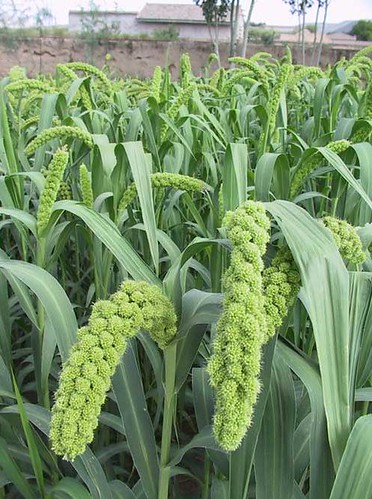
Foxtail Millet -green plant

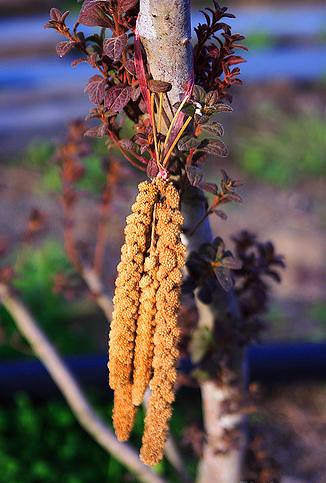
Millet are turning yellow

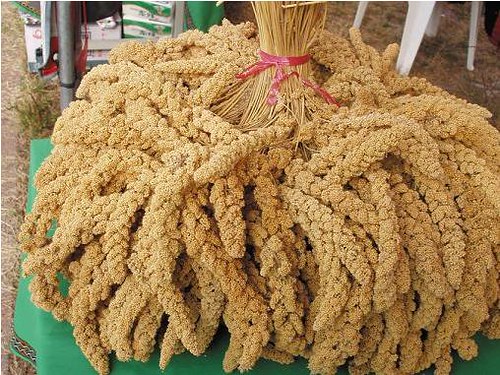
Yellow Millet ear


Mature Mille picture


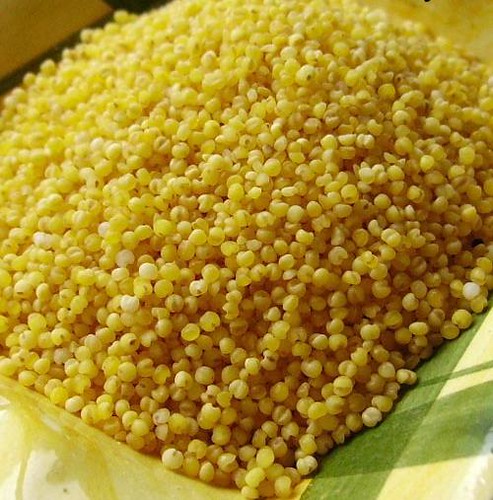
Yellow Foxtail Millet picture
About Foxtail Millet:

Foxtail millet is the annual herb,it is the gramineae, its nature happy warm. Foxtail millet stems from China Huanghe River valley, it has the glorious cultivation history in China. The small grain of rice is small, color light yellow or deep yellow, the quality of material is hard, the finished product has the sweet fragrance.

Millet nutritional value:
1. Because the millet including Vitamin B1, B12 and so on, has richly prevents the dyspepsia and the argument lives sore's effect; 2. The millet has prevents the pan-stomach, the vomitive effect; 3. The millet has nourishes yin raises blood's function, may enable the parturient woman empty cold physique to obtain the recuperation, helps them to restore the physical strength; 4. The millet has reduces the wrinkle, the color spot, the pigmentation the effect.
 

Thursday, December 18, 2008

Plants Images: Wheat

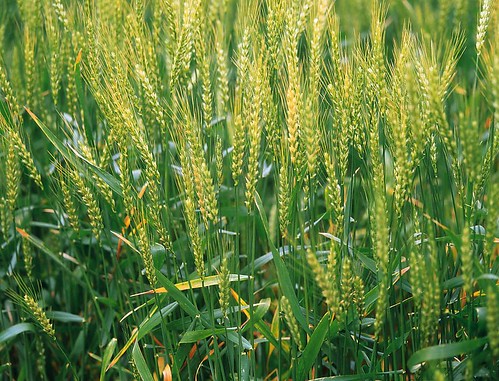
Green Wheat plants photo- Wheat field scenery

Turning yellow Wheat- Wheat field scenery picture

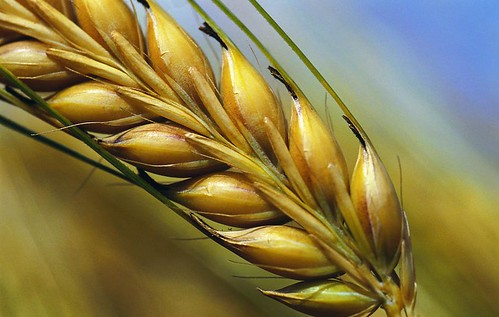
Mature wheat ear -Wheat field scenery photo


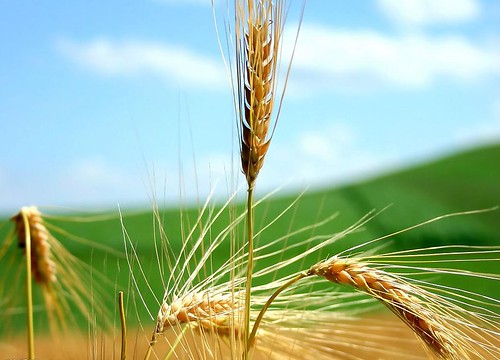
Yellow wheat ear-Wheat field scenery photo


Green Wheat Field-Wheat field scenery picture

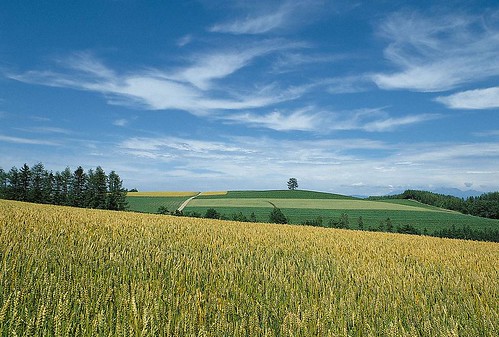
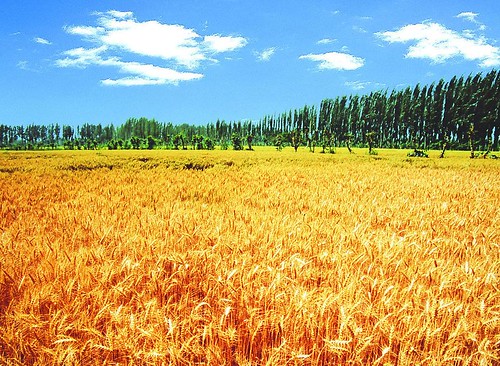
Yellow Wheat field-Wheat field scenery picture

Friday, December 12, 2008

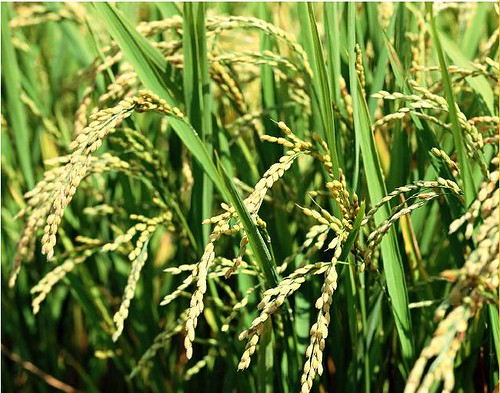
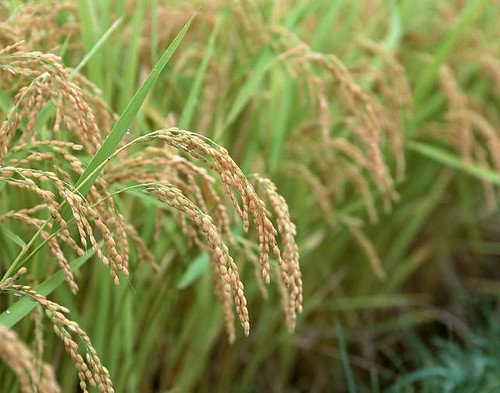
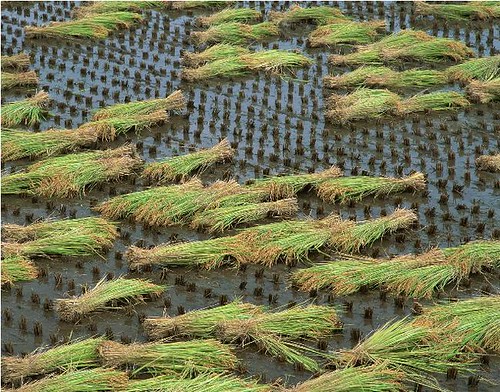
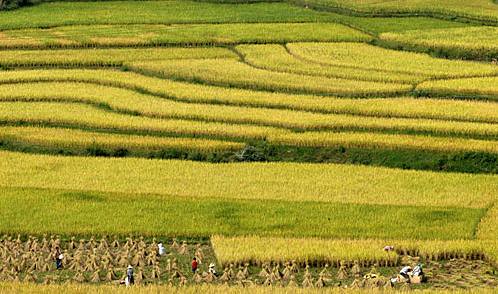
Plant Images: Paddy Rice


Trapezoid Rice Field--Guangxi, China

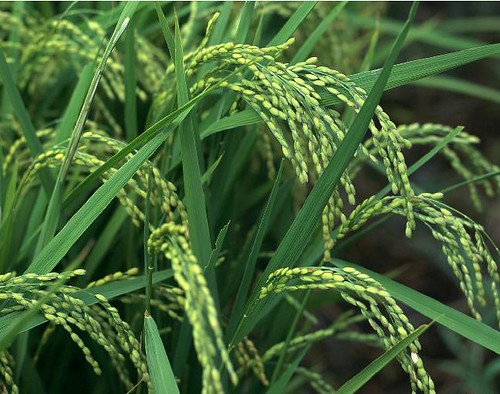
Green Paddy rice Plants-Rice Fileld-China

Natural World: Philippine Scenery Pictures

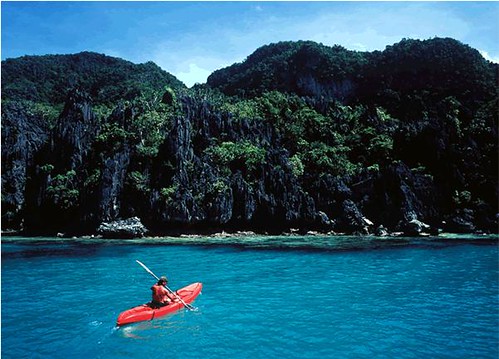
Long Beach island scenery --Philippine Scenery Pictures -Philippine

Philippine Tropical ocean scenery -Philippine Summer Scenery foto

Philippine Areca Scenery foto-Tropical scenery of Philippine


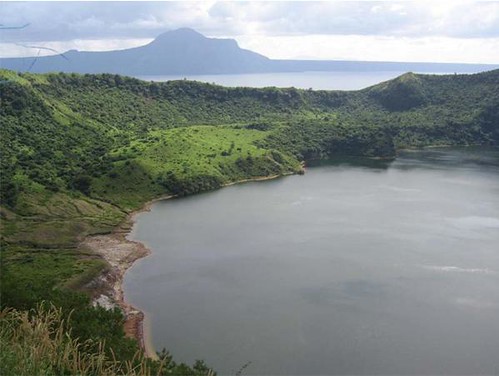
 Quiet Manila Mountain scenery foto -Philippine of Asia Scenery Photo


Manila Mountain&beach scenery foto -Philippines of Asia Tropical Scenery picture

View Laos Scenery Photos at: http://lotpictures.blogspot.com/2012/01/laos-scenery-photos.html
View Thailand Scenery photos at: http://lotpictures.blogspot.com/2008/12/thailand.html
View Nepal Scenery photos at: http://lotpictures.blogspot.com/2008/12/nepal.html
View Vietnam Scenery Photos at: http://lotpictures.blogspot.com/2008/12/vit.html
About Philippines:

The Philippines (Filipino: Pilipinas, officially known as the Republic of the Philippines, Filipino: Republika ng Pilipinas), is an island country located in Southeast Asia with Manila as its capital city. The Philippines comprises 7,107 islands in the western Pacific Ocean, sharing maritime borders with Indonesia, Malaysia, Palau, the Republic of China, the People's Republic of China, and Vietnam. The Philippines is the world's 12th most populous country with a population of 90 million people.[4][6] Its national economy is the 46th largest in the world with an estimated 2008 gross domestic product (GDP) of over US$154.073 billion.[6] There are more than 11 million overseas Filipinos worldwide, about 11% of the total population of the Philippines. It is a multi-ethnic country. Ecologically, The Philippines is considered to be among 17 of the most megadiverse countries in the world.[8]
Before the arrival of Europeans in 1521,[9] the Philippines was settled by Austronesian (Malayo Polynesian) peoples. The Philippines became a Spanish colony in the 16th century, as an extension of the Viceroyalty of New Spain. In 1896, rebellion led to the Philippine Revolution that won independence from Spain during the Spanish-American War of 1898. American occupation led to the Philippine-American War which ended in 1902. The Philippines became a territory of the United States in the 20th century. A Commonwealth government was established in 1935, which allowed self-governance. The country gained its independence from the United States on July 4, 1946 after World War II. Martial law were declared in 1972, which led to the insurgencies of the New People's Army, and the Moro National Liberation Front. Liberal parties led the People Power Revolution of 1986, which would bring the Philippines back to democracy.

Natural World: Nepal Scenery photos


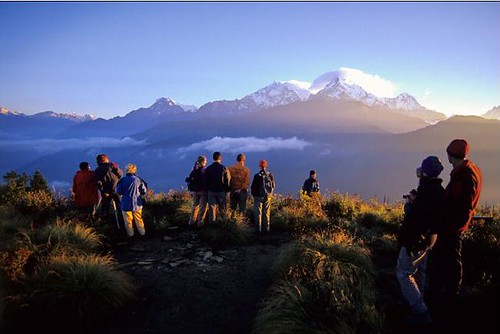
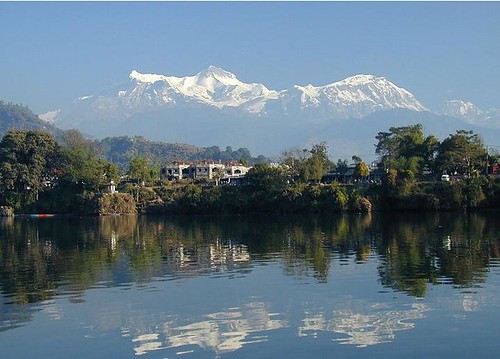
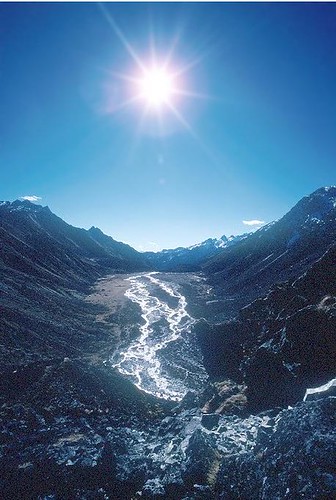
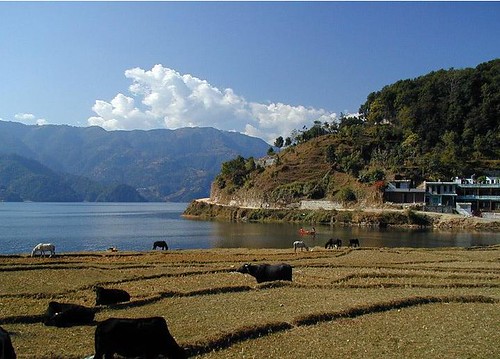
Nepal Nepal's snow-capped mountains Scenery -beautiful Nepal of Asia Natural Scenery

Nepal Scenery foto-Nepal's snow-capped mountains and lake scenery


Nepal of Asia Scenery -beautiful Nepal mountains

Nepal Natural Scenery- Nepal highland lakes scenery
About Nepal:

Nepal's Nature: Nepal covers a span of 147,181 sq. kilometers ranging from altitude of 70 meters to 8,848 meters. Mountains, mid hills, valleys and plains dominate the geography of landlocked Nepal that extends from the Himalayan range in the north to the Indo-Gangetic lowlands in south. Mt. Everest, the highest point of the Himalayas is in Nepal.
Physical features also include green paddy terraces, wind-swept deserts, dense forests and marshy grasslands. The country is well endowed with perennial rivers, lakes and glacial lakes that originate in the Himalayas. Twenty percent of the land in the country is used for agriculture, where 0.49 percent is used for permanent crops, mainly rice.
Climatic conditions of Nepal vary from one place to another in accordance with the geographical features. In the north summers are cool and winters severe, while in south summers are sub tropical and winters mild.
The variety in Nepal's topography provides home to wildlife like tigers, rhinos, monkeys, bears, yaks, leopards and different species of insects and birds. Nepal is a home to almost 10 percent of the world's bird species among which 500 species are found in the Kathmandu Valley.
The country has managed to preserve some endangered species of Asia in its extensive parks and protected natural habitats. The most abundant natural resource in Nepal is water. Other resources found here are quartz, timber, lignite, copper, cobalt, iron ore and scenic beauty.

Nepal' s people&customs: The population of Nepal was recorded to be about 25 million as of July 2002. Eighty-six percent of Nepalis follow Hinduism, while eight percent follow Buddhism and three percent follow Islam. The population comprises various groups of different races which are further divided into different castes. The distinction in caste and ethnicity is understood more easily with a view of customary layout of the population.
Some of the main groups are such: Gurungs and Magars who live mainly in the western region; Rais, Limbus and Sunwars who live in the eastern mid hills; Sherpas, Manangpas and Lopas who live near the mountains of Everest, Annapurna and Mustang respectively; Newars who live in and around the capital valley of Kathmandu; Tharus, Yadavas, Satar, Rajvanshis and Dhimals who live in the Terai region; and Brahmins, Chhetris and Thakuris generally spread over all parts of the country.
Nepali is the official language of the state, spoken and understood by 100 percent of the population. Multiple ethnic groups speak more than a dozen other languages in about 93 different dialects. English is spoken by many in government and business offices. It is the mode of education in most private schools of Kathmandu and some other cities.

Thursday, December 11, 2008

Natural World: Vietnam Scenery Photos


Vietnamese scenery-Vietname
About Vietnam:
Physical geography: 329,500 square kilometers. North borders on with China, west and Laos, the Cambodian border, the east side and south side is near the South China Sea, the coastline long more than 3260 kilometers. The Vietnamese terrain is long and narrow, the north and south long 1600 kilometers, the thing most is narrow place is 50 kilometers. West the Vietnamese topography Gao Dongdi, within the boundaries 3/4 are the mountainous region and the plateau. The north and northeast part is the mountain and the plateau. Middle Changshan sierra north-south north and south. The main rivers have the northern Red River, south Mekong River. Red River and the Mekong River delta area is a plain. South of the Vietnamese nation attendance Tropic of Cancer, the high temperature rain, is the tropical monsoon climate. Annual mean temperature 24℃ about. The mean annual precipitation is 1500-2000 millimeters. North minute spring, summer, fall, winter four seasons. The south rain dry two seasons are distinct, most districts May to October will be the rainy season, November to next year April are the dry seasons.

Population: more than 8400 ten thousand
Capital: Ha Noi